Menu Design Strategies for Restaurant Success

Creating a successful restaurant involves more than just serving delicious food. One of the most critical elements that can significantly influence a restaurant's success is its menu design. A well-crafted menu not only showcases your offerings but also enhances the dining experience, drives sales, and reflects your brand identity. In this blog post, we will explore effective menu design strategies that can help your restaurant thrive.
Understanding Your Target Audience
Before diving into the specifics of menu design, it is essential to understand your target audience. Knowing who your customers are will guide your menu choices, pricing, and overall design. Consider the following aspects:
Demographics: Age, gender, income level, and lifestyle can influence menu preferences.
Dining Preferences: Are your customers looking for healthy options, comfort food, or gourmet experiences?
Cultural Influences: Understanding the cultural background of your audience can help tailor your menu to their tastes.
By gathering insights about your target audience, you can create a menu that resonates with them and meets their expectations.
Crafting a Compelling Menu Layout
The layout of your menu plays a crucial role in how customers perceive your offerings. Here are some strategies to consider:
1. Organize by Categories
Group similar items together to make it easier for customers to navigate your menu. Common categories include appetizers, main courses, desserts, and beverages. This organization helps customers quickly find what they want.
2. Use Descriptive Language
Engaging descriptions can entice customers to try new dishes. Instead of simply listing "Grilled Chicken," consider a description like "Juicy grilled chicken marinated in a zesty lemon herb sauce." This not only informs but also creates a vivid image in the customer's mind.
3. Highlight Signature Dishes
Make your standout items pop by using boxes, icons, or different fonts. This draws attention to your best offerings and encourages customers to try them. For example, you might label a dish as "Chef's Special" or "Customer Favorite."
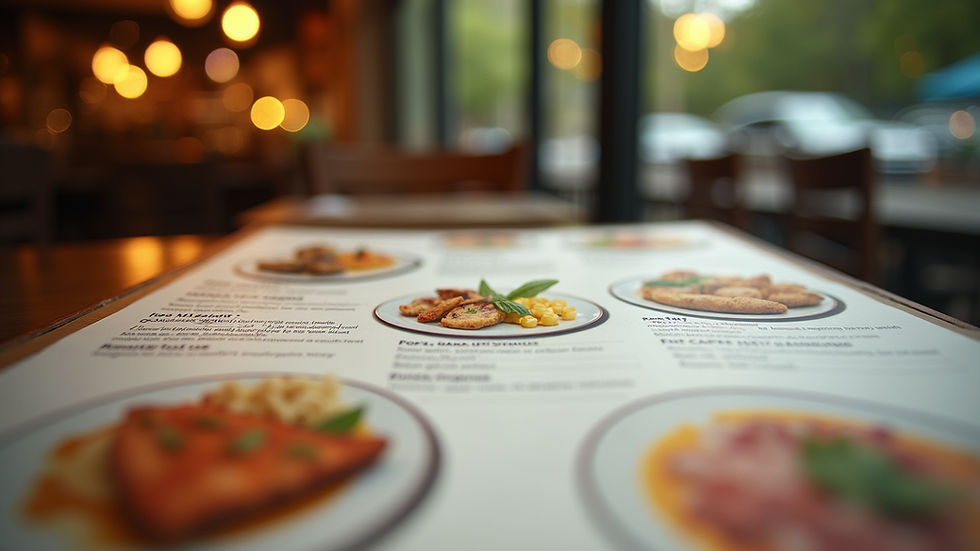
4. Incorporate Visuals
While text is essential, visuals can enhance the appeal of your menu. Consider including high-quality images of select dishes. A well-placed image can stimulate appetite and encourage orders.
Pricing Strategies
Pricing is a critical aspect of menu design that can influence customer choices. Here are some effective pricing strategies:
1. Psychological Pricing
Consider using pricing that ends in .99 or .95 to make items appear less expensive. For example, pricing a dish at $12.99 instead of $13 can make a difference in customer perception.
2. Price Anchoring
Display a high-priced item alongside your regular offerings to create a perception of value. For instance, if you have a premium steak priced at $50, your $25 pasta dish may seem like a bargain in comparison.
3. Bundle Offers
Encourage larger orders by offering bundle deals. For example, a "Dinner for Two" special that includes an appetizer, two main courses, and a dessert can increase average check sizes.
Menu Design Aesthetics
The visual appeal of your menu is just as important as its content. Here are some design elements to consider:
1. Color Scheme
Choose colors that reflect your restaurant's theme and ambiance. Warm colors like red and orange can stimulate appetite, while cool colors like blue and green can create a calming effect.
2. Typography
Select fonts that are easy to read and align with your restaurant's personality. Avoid overly decorative fonts that may be difficult to decipher.
3. White Space
Incorporate white space to prevent your menu from looking cluttered. This makes it easier for customers to read and navigate.
Seasonal and Rotating Menus
To keep your offerings fresh and exciting, consider implementing seasonal or rotating menus. This strategy allows you to:
Showcase Local Ingredients: Highlighting seasonal produce can enhance flavor and support local farmers.
Create Buzz: New menu items can generate excitement and encourage repeat visits.
Reduce Waste: Using seasonal ingredients can help minimize food waste and lower costs.
Testing and Feedback
Once your menu is designed, it's essential to test it with real customers. Gather feedback through surveys, comment cards, or informal conversations. Pay attention to which items are popular and which may need adjustments. Continuous improvement is key to maintaining a successful menu.
Conclusion
A well-designed menu is a powerful tool that can significantly impact your restaurant's success. By understanding your target audience, crafting a compelling layout, implementing effective pricing strategies, and focusing on aesthetics, you can create a menu that not only showcases your culinary offerings but also enhances the overall dining experience. Remember to stay flexible and open to feedback, as the best menus evolve over time.
Take the time to refine your menu design, and watch as it transforms your restaurant into a thriving destination for food lovers.
Comments